
Balm of Gilead History, Rarity, and Biblical Significance
A small drop of fragrant resin could once travel farther than grain, command more attention than ordinary medicine, and become a symbol powerful enough to echo through scripture, song, and literature. That substance was the Balm of Gilead, one of the ancient Near East’s most intriguing natural products.
Part medicine, part perfume, part sacred metaphor, it occupied a rare place in the ancient world. People prized it for healing, trade, ritual, and meaning. Yet the exact plant behind the name remains a matter of debate, which only adds to its mystery.
What the Balm of Gilead was
The term “Balm of Gilead” usually refers to a precious aromatic resin or gum used in the ancient Near East. In biblical Hebrew, the word often translated as balm is commonly linked to `tsori`, a resinous substance associated with healing and trade.
Scholars do not all agree on its exact botanical source. Several candidates have been proposed, including:
Commiphora species
These include plants related to myrrh and balsam, known for fragrant resins.
Pistacia species
Terebinth and related trees produce resinous substances used in ancient medicine and trade.
The famed balsam shrub
Later Greek and Roman writers described a highly prized balsam cultivated around Jericho and the Dead Sea region.
The “Gilead” in the name refers to a mountainous region east of the Jordan River. In biblical memory, it became closely linked with healing balm, even if production and trade may have extended through nearby regions.
For modern readers, Balm of Gilead, herbal medicine, and biblical medicine often overlap as ideas. Still, the ancient balm should be understood first as a historical substance, not as a modern cure-all. This article is informational and historical, not medical advice.
How ancient people used it
Ancient societies valued resins because they were portable, aromatic, and versatile. A small amount could be carried along trade routes and used in several ways.
The Balm of Gilead was associated most strongly with healing. People applied resins and oils to wounds, skin conditions, aches, and sores. Ancient medicine often blended plant resins with oils, wine, honey, or other ingredients to create salves.
It also had uses beyond the sickroom.
Resins were common in perfumes and cosmetics, especially in elite households. Their fragrance marked status and personal refinement. They could also appear in religious and funerary settings, where sweet-smelling substances carried meanings of purity, honor, and preservation.
In the ancient world, scent mattered. A rare fragrance could signal wealth, divine favor, or royal power. Balm was not just useful. It was impressive.

Why the balm was so rare
The Balm of Gilead was rare because it came from specific plants, in specific places, under specific conditions. Resin does not pour out like water. It appears in drops.
Ancient harvesters likely collected it by making small cuts in the bark or branches of resin-producing shrubs or trees. The plant would release fragrant sap, which hardened or thickened into a precious gum. This process required patience and skill.
Several factors made the balm valuable:
Limited growing regions
The plants associated with the balm did not thrive everywhere.
Small harvests
A single plant could produce only a modest amount of resin.
Labor-intensive collection
Harvesters had to gather, store, and protect the substance carefully.
Long-distance trade
Caravans carried balm along routes connecting Gilead, Canaan, Egypt, Arabia, and Mediterranean markets.
Classical writers such as Josephus and Pliny described balsam as a prized product of the Jericho area in later periods. These accounts suggest that by the Greco-Roman era, balsam cultivation had become a guarded and profitable enterprise.
That matches the broader pattern of ancient luxury goods. Like frankincense and myrrh, balm was light enough to transport, rare enough to profit from, and fragrant enough to fascinate buyers far from its source.
Where the Bible mentions the Balm of Gilead
The Balm of Gilead appears in some of the Bible’s most memorable passages. Its meaning shifts depending on context, from trade item to symbol of healing.
In Genesis 37:25, a caravan of Ishmaelites travels from Gilead to Egypt carrying gum, balm, and myrrh. This scene appears in the story of Joseph, just as his brothers sell him into slavery. The mention of balm places Gilead within a real network of trade.
In Genesis 43:11, Jacob tells his sons to take gifts to Egypt, including balm, honey, spices, myrrh, nuts, and almonds. These were not everyday goods. They were valuable regional products suitable for diplomacy and persuasion.
The most famous reference comes from the prophet Jeremiah:
“Is there no balm in Gilead? Is there no physician there?”
This question, found in Jeremiah 8:22, is not mainly about medicine. It is a cry of grief. Jeremiah uses the image of healing balm to ask why the wounds of the people remain untreated.
Jeremiah returns to the image in Jeremiah 46:11, where Egypt is told to seek balm in Gilead, though its healing will not succeed. In Jeremiah 51:8, balm again appears as a symbol of attempted healing after disaster.
These passages show why the phrase became so enduring. The balm was real enough to be recognized as medicine, but symbolic enough to speak about national suffering, spiritual repair, and hope.

Its cultural impact beyond antiquity
The phrase “Balm of Gilead” did not stay confined to ancient trade or prophetic poetry. Over time, it became a cultural symbol for comfort, restoration, and spiritual healing.
In Christian tradition, the balm often came to represent Christ’s healing power or the mercy of God. Hymns and sermons used the phrase to describe relief from sin, sorrow, and despair. The African American spiritual “There Is a Balm in Gilead” became especially influential, turning Jeremiah’s anguished question into an answer of hope.
Writers also used the phrase in literature as shorthand for a cure that is both longed for and difficult to find. That symbolic tension gives the image its strength. A balm should heal, but what if the wound is too deep? A physician should help, but what if the nation refuses treatment?
Because of that, the Balm of Gilead became more than a plant product. It became a way to speak about human need.
Ancient balm and modern confusion
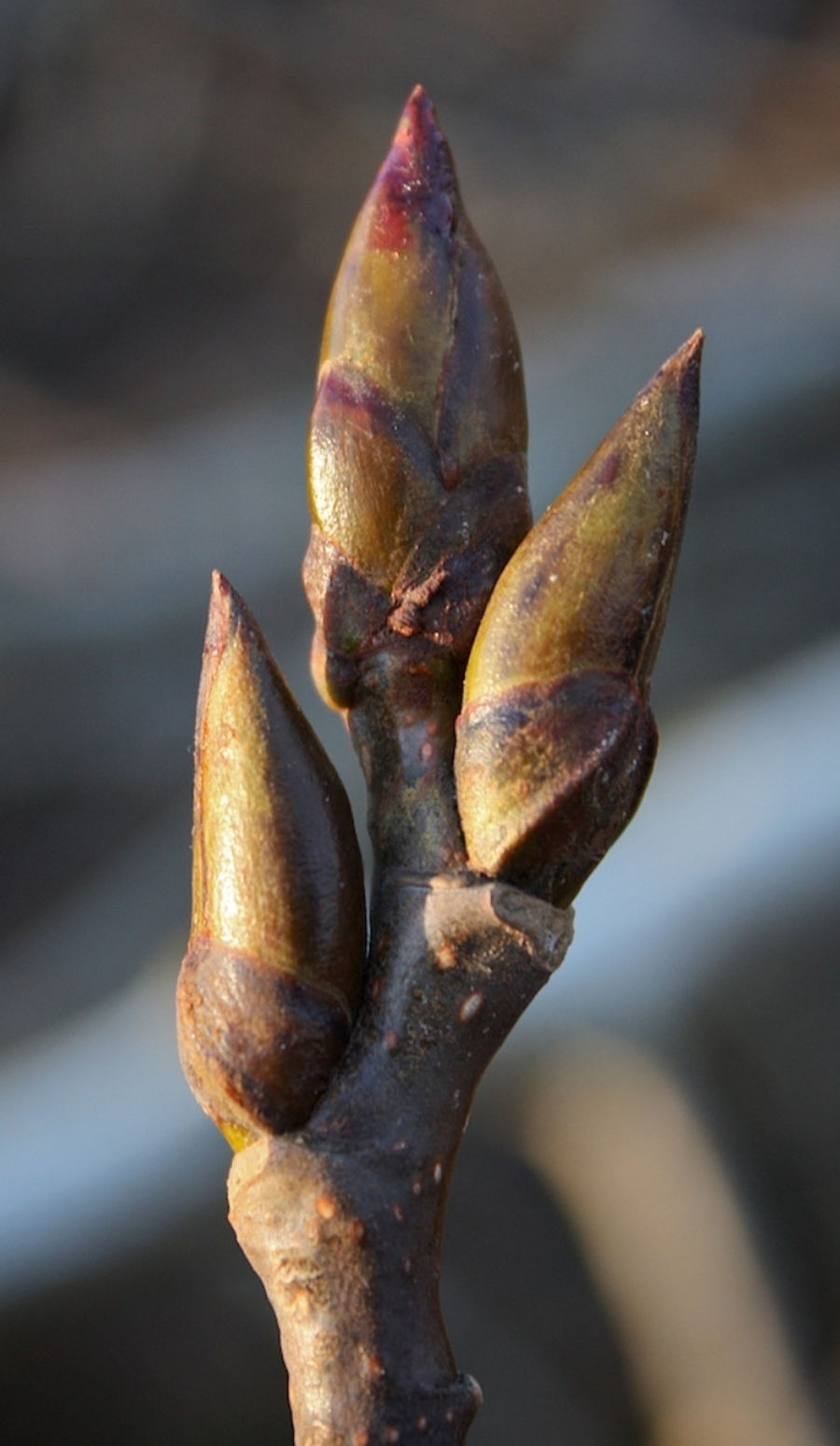
Today, the name “Balm of Gilead” can refer to different things. In North America, people harvest the resinous buds from poplar or cottonwood trees. Though not the exact ancient plant historians describe, the North American Balm of Gilead has many of the same medicinal properties and uses.

The lasting meaning of a rare resin
The Balm of Gilead mattered because it joined the practical and the poetic. It was a traded substance, gathered with care and valued for its scent and healing associations. It was also a biblical image powerful enough to carry grief, judgment, comfort, and hope.
Its rarity made it precious. Its uses made it useful. Its scriptural role made it unforgettable.
Even now, the phrase still suggests something deeply human: the search for healing when ordinary remedies are not enough. That is why this ancient resin continues to hold attention, not only as a product of the past, but as a symbol that still speaks.


Comments